Understanding Nutrients and Healthy Eating for Male Wellness
Educational content only. No promises of outcomes.
Understanding Macronutrients
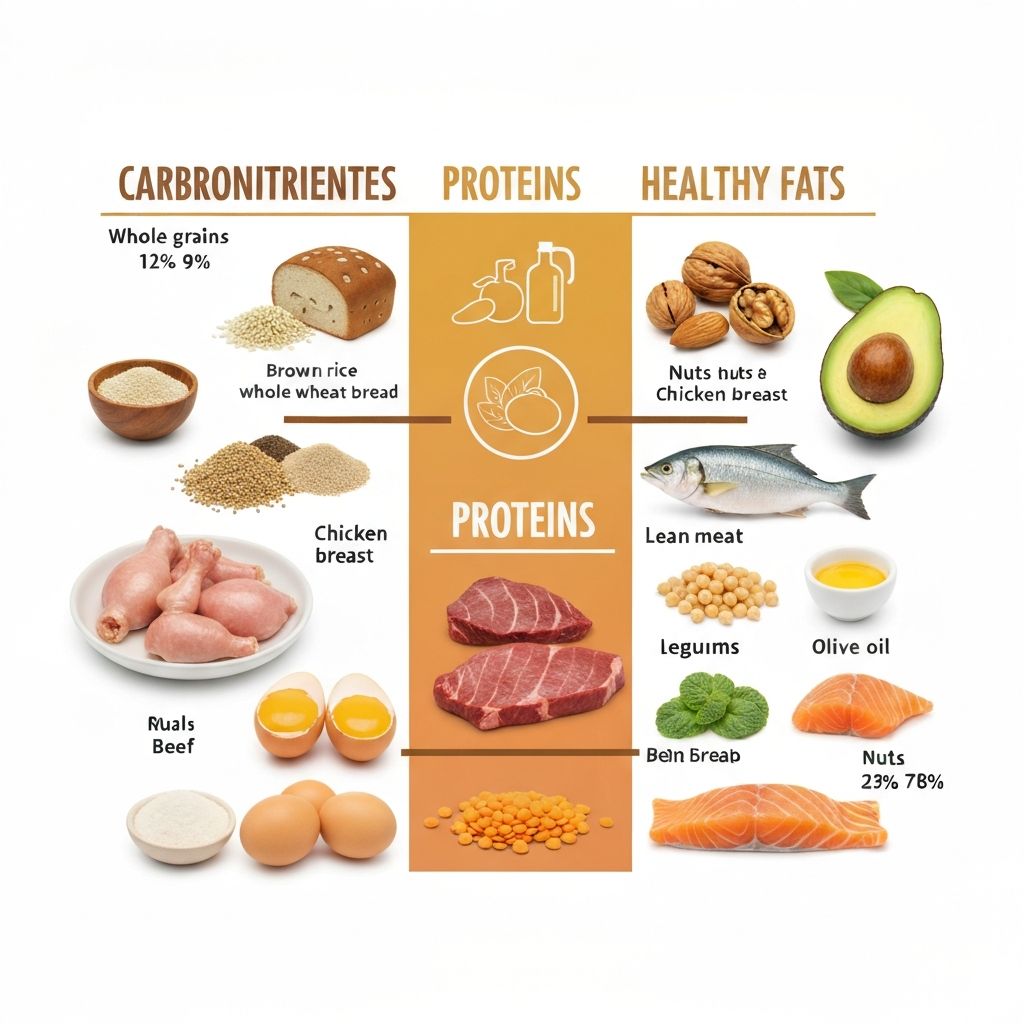
Macronutrients are the large categories of nutrients that provide energy and support bodily functions. They consist of carbohydrates, proteins, and fats, each playing essential roles in maintaining overall health and supporting daily activities.
Carbohydrates
Carbohydrates are the body's primary source of energy. They break down into glucose, which fuels the brain and muscles. Found in whole grains, fruits, and vegetables, complex carbohydrates provide sustained energy and important fiber.
Proteins
Proteins are essential for building and repairing tissues, including muscles, skin, and organs. They also produce enzymes and hormones. Sources include lean meats, fish, eggs, legumes, and dairy products.
Healthy Fats
Healthy fats support hormone production, brain function, and nutrient absorption. Monounsaturated and polyunsaturated fats found in nuts, seeds, avocados, and fish are particularly beneficial for overall well-being.
Understanding the balance of these macronutrients helps create a foundation for general nutritional knowledge and supports informed dietary choices.

The Role of Vitamins and Minerals
Micronutrients, including vitamins and minerals, are vital for numerous bodily functions. Although needed in smaller quantities than macronutrients, they support immune function, bone health, energy metabolism, and more.
| Nutrient | Key Functions | Common Sources |
|---|---|---|
| Vitamin C | Immune support, collagen formation, antioxidant | Citrus fruits, berries, bell peppers, broccoli |
| Vitamin D | Calcium absorption, bone health, immune function | Fatty fish, egg yolks, fortified milk, sunlight exposure |
| Iron | Oxygen transport, energy production | Red meat, poultry, legumes, fortified cereals |
| Calcium | Bone strength, muscle function, nerve transmission | Dairy products, leafy greens, fortified plant-based drinks |
| Magnesium | Muscle function, energy production, stress response | Nuts, seeds, whole grains, leafy greens |
Balanced Diet Principles
A balanced diet incorporates variety and appropriate portions of different food groups. The following principles guide general nutritional well-being:
Diversity
Eating a wide variety of foods ensures you receive a broad spectrum of nutrients. Different foods contain different nutrient combinations.
Moderation
Portion control helps maintain energy balance. Understanding appropriate serving sizes supports overall dietary goals.
Balance
Including all food groups—grains, proteins, vegetables, fruits, and dairy—in each meal creates nutritional completeness.

Practical Application
A simple approach is to fill half your plate with vegetables and fruits, one quarter with whole grains, and one quarter with lean proteins. Include healthy fats and dairy or alternatives for complete nutrition.
These principles support the development of sustainable eating patterns that contribute to general well-being without requiring restrictive or extreme dietary approaches.
Food Groups for Overall Well-being
Vegetables
Rich in vitamins, minerals, and fiber. Include dark leafy greens, colorful vegetables, and cruciferous varieties like broccoli.
Fruits
Natural sources of vitamins, fiber, and antioxidants. Variety in color ensures diverse nutrient intake—berries, citrus, apples, and tropical fruits.
Whole Grains
Provide sustained energy, B vitamins, and fiber. Examples include oats, brown rice, quinoa, and whole wheat products.
Proteins
Essential for tissue repair and building. Include lean meats, fish, eggs, legumes, nuts, and plant-based alternatives.
Dairy & Alternatives
Sources of calcium and protein. Milk, yogurt, cheese, or fortified plant-based options support bone health.
Healthy Fats
Support hormone production and nutrient absorption. Include olive oil, nuts, seeds, and fatty fish.
Integration into Daily Meals
Incorporating foods from each group throughout the day supports balanced nutrition. Breakfast might include whole grains and fruit, lunch could combine lean protein with vegetables, and dinner might feature whole grains, protein, and a variety of vegetables.
Hydration: Essential for Life
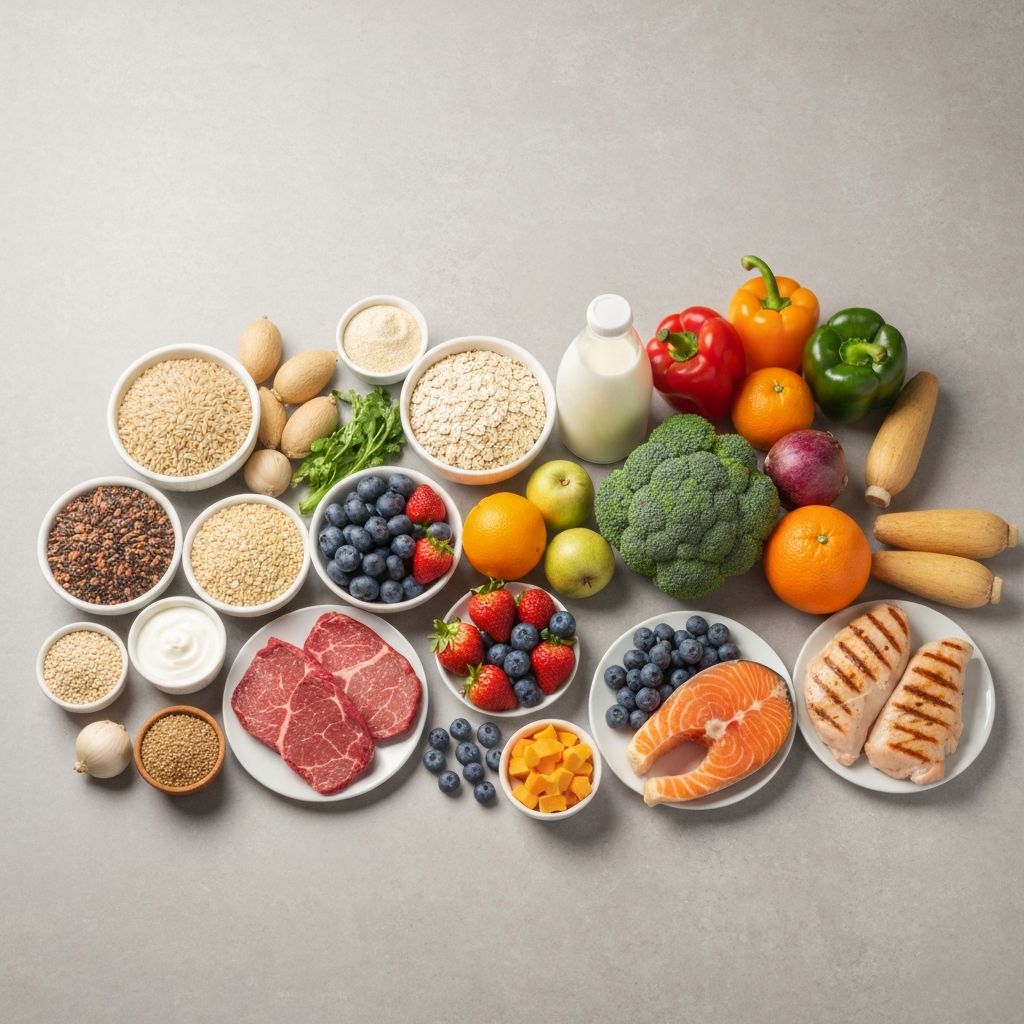
Water is fundamental to all bodily functions. It regulates temperature, transports nutrients, removes waste, supports digestion, and maintains cognitive function. Proper hydration is a cornerstone of general health and wellness.

Hydration Guidelines
While individual needs vary based on activity level and climate, a general guideline is consuming adequate water throughout the day. Thirst is a natural indicator, though consistent fluid intake is important.
Water-rich foods like watermelon, cucumber, oranges, and leafy greens also contribute to overall hydration.
Benefits of Proper Hydration
- Supports cognitive function and concentration
- Aids digestion and nutrient absorption
- Regulates body temperature
- Supports physical performance and recovery
- Promotes healthy skin and organ function
The Science of Digestive Health
Digestion is a complex process where the body breaks down food into nutrients that can be absorbed and utilized. Understanding this process provides insight into how diet impacts overall wellness.
The Digestive Process
Digestion begins in the mouth, where enzymes start breaking down food. Food travels through the esophagus to the stomach, where acids and enzymes continue the process. The small intestine absorbs most nutrients, while the large intestine handles water absorption and waste preparation.
Supporting Digestive Health
A balanced diet rich in fiber, adequate water intake, and regular eating patterns all support healthy digestion. Different foods have varying effects on the digestive system:
- Fiber: Promotes regular digestive movement and feeds beneficial gut bacteria
- Fermented Foods: Yogurt and fermented vegetables contain beneficial probiotics
- Whole Foods: Less processed foods require more natural digestive effort
- Hydration: Water supports smooth digestive function

Antioxidants: Nature's Protectors
Antioxidants are compounds that help protect cells from damage caused by free radicals. Many foods naturally contain antioxidants, which are studied for their role in supporting overall health.
Common Antioxidant Sources
- Berries (blueberries, raspberries, strawberries)
- Dark chocolate (high in flavonoids)
- Red grapes and red wine
- Pomegranate
- Green tea
- Nuts and seeds
- Broccoli and leafy greens
- Citrus fruits

Incorporating antioxidant-rich foods into your diet is part of general nutritional science. The variety of colors in foods often indicates different antioxidant compounds, making colorful plates not only visually appealing but nutritionally diverse.
Fiber: Key to Gut Health
Dietary fiber is a carbohydrate that the body cannot fully digest. Despite this, it plays crucial roles in digestive health, nutrient absorption, and overall wellness.
Types of Fiber
Soluble Fiber
Dissolves in water to form a gel. Supports healthy cholesterol and blood sugar levels. Found in oats, beans, apples, and citrus fruits.
Insoluble Fiber
Does not dissolve in water. Promotes regular bowel movements and supports digestive health. Found in whole grains, vegetables, and nuts.
Fiber-Rich Foods
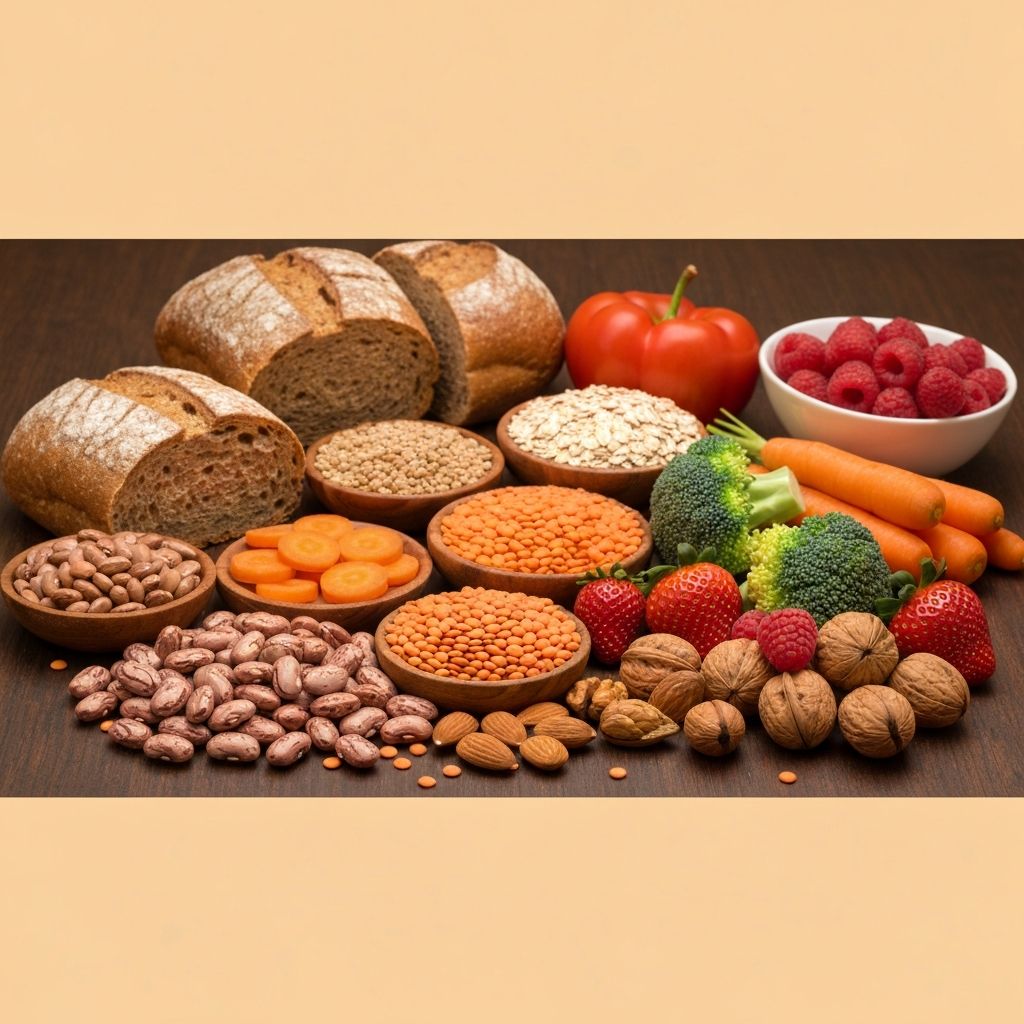
- Whole grains: oats, brown rice, whole wheat
- Legumes: beans, lentils, chickpeas
- Vegetables: broccoli, carrots, Brussels sprouts
- Fruits: berries, pears, apples
- Nuts and seeds: almonds, chia seeds, flaxseeds
Gradual increases in fiber intake, accompanied by adequate water, support comfortable digestive adjustment.
Energy and Metabolism Basics
Metabolism refers to the chemical processes that convert food into energy. Understanding these basic concepts provides insight into how nutrition fuels the body.
How the Body Uses Energy
When you eat, your body breaks down carbohydrates, proteins, and fats into simpler molecules. These molecules are absorbed into the bloodstream and transported to cells, where they are converted into ATP (adenosine triphosphate), the energy currency of the cell.
Basal Metabolic Rate (BMR)
This is the amount of energy your body uses at rest for basic functions like breathing, circulation, and cell production. It accounts for the majority of daily energy expenditure.
Factors Affecting Metabolism
- Age: Metabolism typically slows with age
- Sex: Generally, males have higher BMR than females
- Body Composition: Muscle tissue burns more calories at rest
- Activity Level: Physical activity increases daily energy expenditure
- Nutrition: Different foods require different energy to digest
Exploring Plant-Based Nutrition
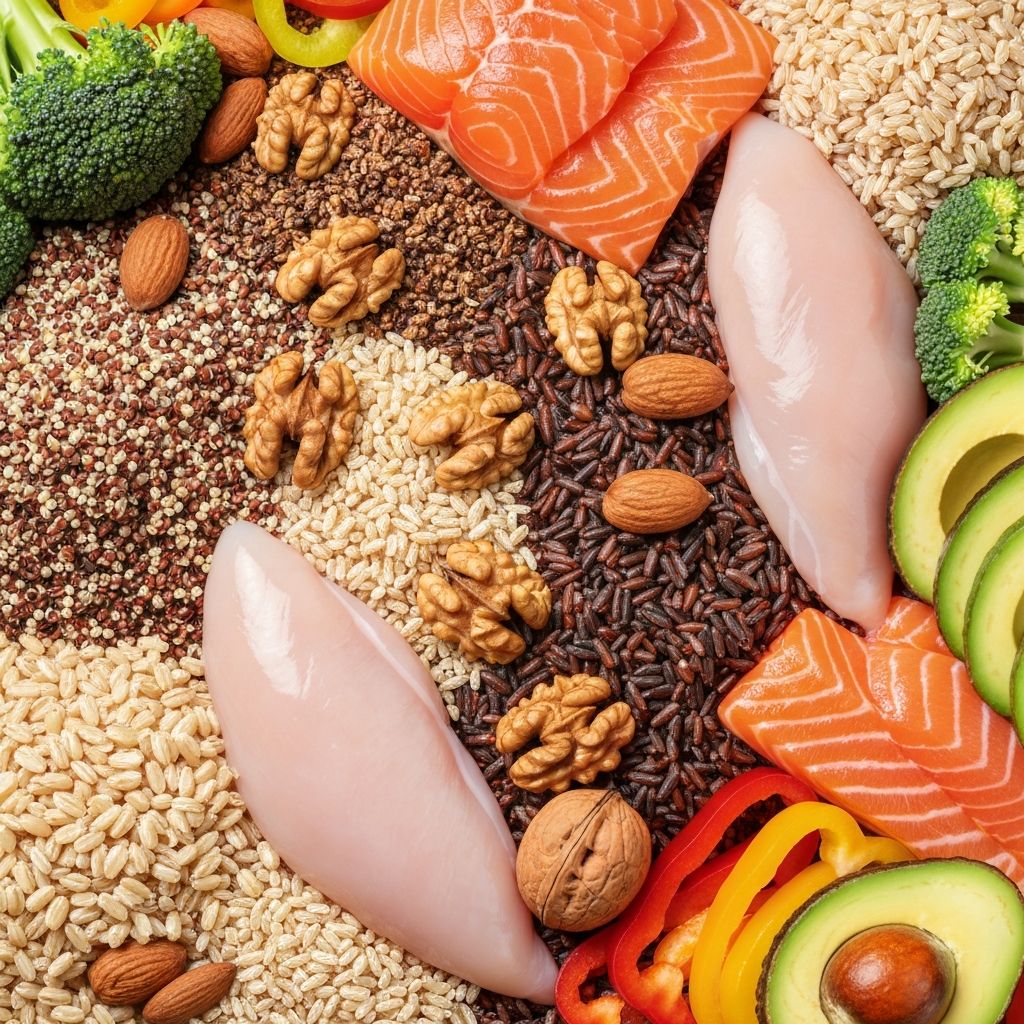
Plant-based eating patterns have gained recognition as approaches that can support general health and wellness. They range from vegetarianism (excluding meat but including dairy and eggs) to veganism (excluding all animal products) to flexitarian diets that primarily emphasize plant foods while occasionally including animal products.
Considerations for Plant-Based Diets
Protein Sources
Legumes, tofu, tempeh, nuts, seeds, and whole grains provide plant-based proteins. Combining different plant proteins throughout the day ensures adequate amino acid intake.
Key Nutrients
Attention to vitamin B12, iron, calcium, and omega-3 fatty acids ensures nutritional completeness in plant-based approaches.
Whole Foods Focus
Emphasizing whole grains, vegetables, fruits, legumes, nuts, and seeds creates the nutritional foundation of plant-focused eating.
Plant-based nutrition is an area of ongoing scientific research, with various studies exploring the general health implications of different dietary patterns. Individual approaches vary widely, and plant-based eating can be tailored to personal preferences and nutritional needs.
The information provided on this site is general educational content about nutrition and healthy eating. It is not intended as personalized dietary advice, medical recommendations, or a substitute for professional medical or nutritional guidance. Individual nutritional needs vary significantly based on age, sex, activity level, health status, and personal goals. Always consult with qualified healthcare professionals before making significant dietary changes or if you have specific health concerns.
Explore More Educational Topics
Deepen your understanding of nutrition, wellness, and healthy eating through our comprehensive resources.
Discover More Information